Valves and Pipe Fittings
Safeguarding Petroleum Transfer and Storage Systems
In the petroleum and chemical industries, fluid handling systems require absolute precision, total structural integrity, and verified safety compliance. Every transport line, storage tank, and terminal loading rack relies on a complex network of pipe valves and fittings to manage volatile fluids safely. These components dictate how fuel moves, how pressure is relieved, and how environmental risks are mitigated across your entire asset footprint.
Valves act as the primary control mechanisms within a piping infrastructure. They start, stop, regulate, or isolate the flow of hazardous liquids and gases. Fittings serve as the essential connectors that couple pipe sections, alter the path of fluid travel, or adapt different line diameters. Together, they create a completely sealed fluid pathway engineered to withstand extreme pressures and harsh industrial environments.
Northwest Pump has served as the West’s largest distributor of petroleum equipment, industrial pumps, and compressors since 1959. Celebrating more than 65 years of field-tested industry experience, we understand that fluid management is about protecting your bottom line and your operators. High-performing valves and pipe fittings ensure that your daily transfers remain secure, helping you avoid hazardous incidents and regulatory fines.
Why Work With Northwest Pump?
Managing a commercial fueling facility, terminal rack, or transport fleet requires a reliable supplier who values safety and equipment longevity. Northwest Pump does not merely move product; we deliver complete, engineered solutions designed to keep your business running smoothly without unexpected operational interruptions.
We collaborate closely with site operators, safety compliance managers, and procurement professionals to supply completely verified bills of materials tailored to your unique application constraints.
By building trusted partnerships with top-tier global manufacturers, Northwest Pump ensures your facility receives code-compliant hardware built for the most demanding environments.
Whether you are outfitting a full fleet of mobile tanker trucks, upgrading a marine fueling terminal, or staging a critical bulk chemical plant, our specialists provide the parts, technical advice, and logistic support needed for a successful deployment.
How Do Pipe Fittings and Valves Prevent Costly Petroleum and Chemical Spills?
For gas station owners, fleet operators, and industrial facility managers, preventing product loss is a continuous priority. Liquid petroleum and industrial chemical spills damage local ecosystems, create immediate fire hazards, and result in severe regulatory penalties. Installing high-performance pipe valves and fittings is your primary defense against these costly material releases.
Spills often happen during high-pressure fluid transfers, such as when a transport tanker discharges fuel into an underground storage tank or when a loading rack fills a rail car. If a connection point is weak or a valve fails to close quickly, thousands of gallons of product can escape in minutes.
Utilizing precision-machined pipe fittings and valves ensures that every connection point remains completely secure under high mechanical stress. These systems absorb physical impacts and prevent line ruptures, containing hazardous commodities safely inside the piping network even during unexpected mechanical failures or vehicle collisions.
Mechanical Tank Truck Products: Safety at the Terminal Rack and Transport Fleet
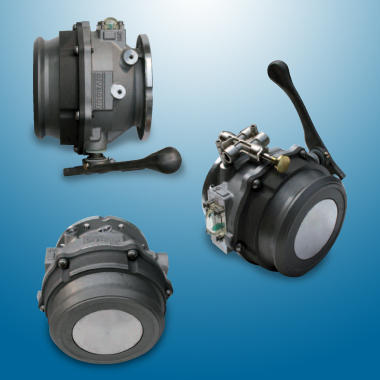
Transporting hazardous bulk commodities across highways or rail networks demands robust mechanical tank truck products engineered for continuous use. Throughout the world, OPW’s Civacon brand equipment sets the standard for real-world performance in the most rigorous and demanding transit applications. Civacon systems are specifically designed to safeguard people and the environment at terminal loading racks and during over-the-road transport.
Mobile transport vessels require specialized pipe valves and fittings capable of handling high flow velocities while matching strict international safety criteria. These components must remain perfectly sealed despite the continuous vibration, thermal expansion, and mechanical shifts common to long-haul logistics.
Bottom Loading Adaptors and Flow Management
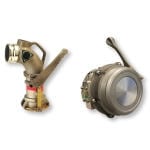
The transition from traditional top-loading setups to modern bottom-loading systems has significantly improved terminal safety and transfer efficiency. Bottom loading adaptors serve as the critical connection point on the underside of a transport tanker truck. These specialized fittings allow terminal operators to couple loading arms at ground level, completely eliminating the safety hazards of climbing onto the top of a trailer.
High-quality bottom-loading adaptors feature hard-coat anodized aluminum construction and premium seals, such as Viton or FKM, to ensure broad chemical compatibility. They are engineered with strict tolerances to match API 1004 standards, ensuring a dry-disconnect performance that prevents fuel leakage when disconnecting the terminal loading arm.
Product Delivery Elbows and Safe Terminal Hookups
When a tank truck arrives at a retail fueling station or commercial cardlock facility, product delivery elbows are utilized to connect the truck’s discharge hoses to the underground tank fill risers. These elbows must provide a tight, ergonomic connection capable of handling high-volume gravity drops without leaking.
Modern delivery elbows incorporate durable cam-and-groove connections and clear sight glasses, allowing operators to visually confirm fuel flow and product clarity during the transfer. By choosing rugged aluminum or composite delivery elbows, fleet operators ensure their drivers can complete daily fuel drops quickly, safely, and without risking surface soil contamination.
Combating Fugitive Vapor Emissions and Tank Overfills
Fluid transfers do not merely involve managing liquid volume; they also require controlling volatile gases and preventing storage tank overfills. When a storage tank receives a fresh shipment of fuel, the rising liquid displaces the existing petroleum vapors inside the vessel. If these gases are allowed to escape into the atmosphere, they create dangerous air pollution and increase the risk of an ignition event.
Controlling these fugitive vapor emissions requires a fully closed loop piping layout that captures gases and routes them back to the transport trailer or a dedicated vapor recovery system. High-performance pipe fittings and valves ensure that these volatile vapors remain securely contained throughout the entire storage and delivery lifecycle.
Vapor Vents and Emission Control
Vapor vents are critical safety valves installed on the top of transport trailers and industrial storage tanks. During loading and unloading sequences, these vents open automatically to manage internal pressure changes. When loading fuel, the vapor vent allows displaced gases to exit the tank safely through a dedicated vapor recovery line rather than leaking past structural seals or hatches.
Advanced vapor vents incorporate precise sequential operations, ensuring the vent opens before product flows and remains tightly sealed during transit. This precise control mitigates the release of volatile organic compounds (VOCs), protects air quality, and ensures your facility satisfies strict state and federal environmental compliance laws.
Internal Emergency Valves and Shear Protection
To safeguard against catastrophic leaks during transit accidents, tank trailers rely on internal emergency valves installed directly inside the tank sump. These air-operated or mechanically operated valves remain closed during travel, isolating the hazardous liquid inside the secure tank shell.
If a vehicle collision shears off the external plumbing or delivery elbow, the valve breaks cleanly at a predetermined point. The internal poppet remains tightly sealed inside the tank body, completely preventing a major environmental spill even if the external piping is entirely destroyed.
Manholes and Access Containment
Industrial storage systems and bulk terminals require robust access ports to facilitate routine maintenance, safety inspections, and system cleanouts. Manholes and pressure-vacuum tank hatch covers serve as the primary secure entry points on the upper shells of storage vessels, rail cars, and transport trailers.
These assemblies must satisfy two distinct engineering requirements: providing structural security during high-pressure operations while allowing simple, tool-free access for authorized personnel.
- Pressure Manholes: Installed on vessels that handle pressurized fluid transfers, these heavy duty assemblies utilize tight bolt configurations or rugged cam-locks to maintain an airtight seal under intense stress.
- Non-Pressure Manholes: Utilized for atmospheric storage tanks, these access ports focus on water-tight entry caps and reliable dirt seals to prevent external water ingress from contaminating your stored fuel assets.
- Fill Covers and Access Ports: Smaller hatches designed for rapid visual gauging, dipstick insertion, or direct product filling, featuring self-closing mechanisms to prevent accidental vapor leaks.
By selecting precision-engineered manholes and access ports that utilize chemical-resistant gaskets, industrial property managers can safeguard their products from environmental contamination while protecting their workforce during required system maintenance.
Frequently Asked Questions About Valves and Pipe Fittings
What are the primary indicators that a bottom loading adaptor needs immediate replacement?
Operators should look for visible fuel weeping around the adaptor face, physical distortion of the connection nose, or difficulty coupling with the terminal loading arm. If the adaptor fails to maintain a dry-disconnect performance or exhibits score marks along the hard-coated aluminum surface, it must be replaced. Damaged adaptors compromise overfill prevention systems and can cause unexpected product releases at the loading rack.
How do sequential vapor vents improve safety compared to standard non-sequential vents?
Sequential vapor vents are interlocked with the trailer’s primary pneumatic control system. This design ensures that the vapor vent opens completely before the internal emergency valve can pass product into or out of the tank. This sequence prevents the tank trailer from becoming over-pressurized or imploding due to sudden vacuum changes, protecting the structural integrity of the tank shell during high-speed fluid transfers.
What is the role of a fusible plug on an internal emergency valve during a terminal fire?
A fusible plug is a specialized safety device made from a low-melting-point alloy that reacts to extreme heat. If a fire breaks out near the tank plumbing, the plug melts automatically at a specific temperature, usually around 212°F. This action immediately exhausts the air pressure holding the air-operated emergency valve open, causing the internal valve poppet to close instantly via spring force, trapping the remaining fuel safely inside the tank shell.
How do product delivery elbows maintain electrical grounding during fuel discharges?
Static electricity can accumulate rapidly on components when non-conductive petroleum products flow through hoses and pipe fittings. High-quality product delivery elbows are manufactured from spark-resistant aluminum alloys and feature integrated grounding tabs or conductive contact points. When coupled to the tank riser, they create a continuous electrical path that safely dissipates static charges into the ground pad, eliminating ignition risks.
How do double-walled pipe fittings enhance leak detection in commercial fueling systems?
Double-walled fittings feature an inner pipe that carries the liquid product and an independent outer containment shell that traps any fluid releases. This design creates a small, hollow path known as the interstitial space. By connecting automated electronic sensors or manual inspection ports to this space, facility managers can detect a breach in the primary pipe instantly, allowing for repairs before fuel ever reaches the surrounding soil.
Optimize Your Fluid Transfer Infrastructure
Upgrading your industrial pipe valves and fittings requires a partner who understands the strict realities of regulatory compliance, environmental safety, and component longevity. Northwest Pump is dedicated to building long-term, collaborative partnerships with fleet managers, convenience store operators, and industrial procurement teams across the country.
We invite you to contact our team for an open, professional conversation about your upcoming terminal, transport fleet, or storage facility needs. Let us analyze your operational requirements together, review your specific chemical compatibility demands, and help you select a highly reliable, code-compliant equipment package. Reach out to our sales team for more information by emailing us at sales@nwpump.com, calling 1-800-452-PUMP, or visiting your nearest regional branch location today.
Customer service is our business.
Serving the petroleum and industrial industry for over 65 years.

How can we help?
Our petroleum and industrial staff are here to assist and well- versed in product knowledge and installation protocol. Let us take it from here. For 24-hour assistance, call 1-866-577-2755!